
Top 5 Sports Injuries and Natural Prevention Strategies
Why August Can Be a Challenging Month for Active Bodies
By August, many people have spent weeks enjoying summer activities. Running, cycling, hiking, recreational sports, swimming, and outdoor projects can all add up to a significant increase in physical activity.
While staying active offers many benefits, the combination of repetitive movement, hot weather, and inconsistent recovery can place added stress on the body. As a result, August is often when lingering aches, tightness, and movement restrictions become more noticeable.
The good news is that many common sports-related issues develop gradually, giving active individuals an opportunity to recognize early warning signs and take proactive steps to support recovery and mobility.
1. IT Band Tightness
The iliotibial (IT) band is a thick band of connective tissue that runs along the outside of the thigh. Runners, cyclists, and hikers commonly experience tightness or irritation in this area, often noticing discomfort along the outside of the knee or hip.
Contributing factors may include:
- Repetitive movement patterns
- Limited hip mobility
- Muscle imbalances
- Sudden increases in training volume
Addressing tightness early and maintaining healthy mobility may help reduce strain on surrounding joints and tissues.
2. Shoulder Strain
Shoulder discomfort is common among swimmers, tennis and pickleball players, golfers, and anyone performing repetitive overhead movements.
Early signs may include:
- Stiffness during activity
- Reduced range of motion
- Mild aching after exercise
- Difficulty reaching overhead comfortably
Because the shoulder relies on multiple muscles and joints working together, even minor movement restrictions can contribute to discomfort over time.
3. Low Back Pain
Low back discomfort affects athletes and non-athletes alike. During the summer months, it is often associated with activities such as gardening, hiking, lifting, running, and recreational sports.
Several factors may contribute, including:
- Tight hips
- Limited flexibility
- Muscle fatigue
- Improper movement mechanics
- Increased physical demands
Addressing flexibility, body mechanics and recovery needs can often play an important role in supporting overall comfort and function.
4. Ankle Sprains and Instability
Uneven terrain, quick changes in direction, and outdoor sports can increase stress on the ankles. While some ankle injuries occur suddenly, ongoing instability or previous injuries can make future issues more likely.
Warning signs may include:
- Repeated rolling of the ankle
- Persistent stiffness
- Mild swelling after activity
- A feeling of instability during movement
Supporting ankle mobility and strength can be an important part of maintaining an active lifestyle.
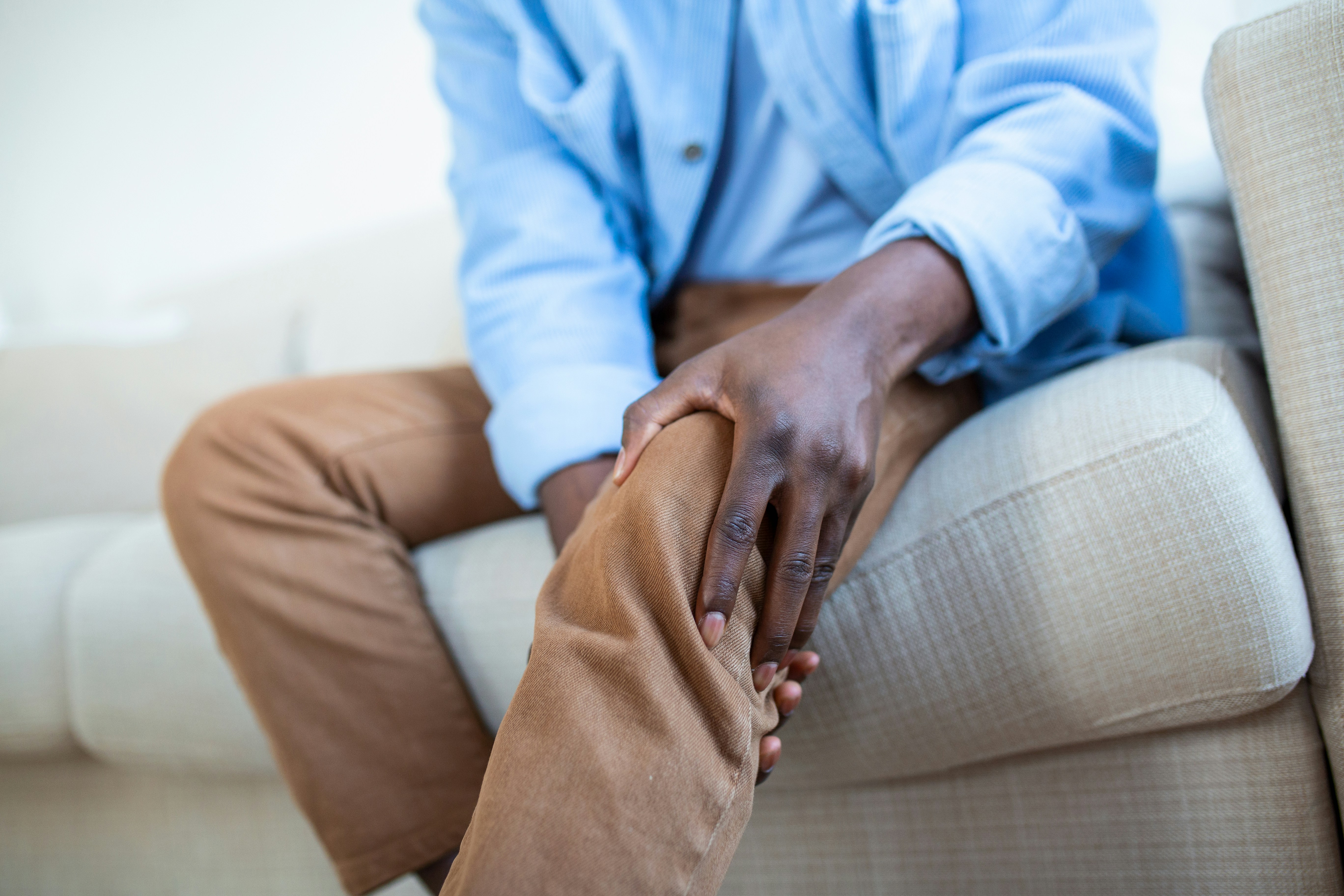
5. Knee Overload
Knee discomfort is one of the most common complaints among runners, cyclists, and active adults. Rather than resulting from a single event, knee issues often develop when repetitive stress exceeds the body's ability to recover.
Factors that may contribute include:
- Muscle imbalances
- Training volume increases
- Limited range of motion in the hips or ankles
- Poor recovery habits
Paying attention to minor discomfort early may help prevent it from becoming a larger interruption to your routine.
Why These Issues Often Develop
While every individual is different, three common factors frequently contribute to sports-related aches and injuries during the summer months.
Overuse
Repeated movement without adequate recovery can place ongoing stress on muscles, tendons, and joints. Over time, tension and movement restrictions may begin to accumulate.
Heat
Exercising in warmer temperatures places additional demands on the body. Fatigue can set in more quickly, and recovery may require additional attention.
Dehydration
Proper hydration supports overall physical performance and recovery. When fluid levels drop, people may experience increased fatigue, reduced exercise tolerance, muscle tightness and muscle cramps.
Natural Strategies to Support Recovery and Mobility
Taking care of your body doesn't necessarily mean reducing activity. Often, it means supporting recovery with healthy habits and wellness-focused care.
Therapeutic Massage
Therapeutic massage can increase flexibility, improve mobility , relieve tension, and help active bodies recover more comfortably.
Benefits may include:
- Reducing muscle tightness
- Supporting flexibility and range of motion
- Encouraging healthy circulation
- Helping identify areas of tension or movement restriction
Many athletes and active individuals incorporate massage into their wellness routines throughout the year.
Acupuncture
Acupuncture may help reduce discomfort, ease tension and stress, improve digestion, regulate sleep, and support the body's natural recovery processes.
Individuals often seek acupuncture to:
- Enhance energy levels
- Support recovery from repetitive physical activity
- Improve focus
- Address areas of muscular tension
- Balance digestion
- Regulate sleep
- Complement other wellness services
As part of a comprehensive approach to health, acupuncture can be a valuable tool for supporting overall well-being.
Hydration and Recovery Habits
Simple daily habits can make a meaningful difference.
Consider:
- Drinking water consistently throughout the day
- Replenishing fluids after exercise
- Prioritizing adequate sleep
- Scheduling recovery days between intense activities
Proper Warm-Up and Mobility Work
Preparing the body before activity can help improve movement quality and comfort.
A warm-up may include:
- Dynamic stretching
- Light cardiovascular activity
- Mobility exercises for key joints
- Gradually increasing intensity before training
Supporting Recovery with BEMER Therapy
Recovery depends on many factors, including circulation, rest, movement, and overall wellness habits. BEMER therapy is designed to support microcirculation, which reoxygenates fatigued muscles, and removes carbon dioxide and lactic acid from the body. Bonus- BEMER can also be used before workouts as improved circulation can shorten warm-up time.
Many individuals choose to incorporate BEMER sessions into a broader wellness routine alongside services such as massage therapy and acupuncture.
Whether used in the clinic or as part of a home wellness plan, BEMER may serve as a complementary option for individuals focused on recovery and maintaining an active lifestyle.
Stop Small Issues Before They Grow
Many sports-related aches and movement limitations begin as minor concerns. Paying attention to early warning signs and supporting your body with healthy recovery practices can help you stay active throughout the season.
If you're experiencing persistent tightness, recurring soreness, reduced strength and flexibility, or other signs that your body could use additional support, now may be a good time to take a proactive approach.
At Practical & Creative, our goal is to help active individuals enhance performance, support recovery, maintain mobility and flexibility, and continue enjoying the activities they love. Don't wait for a small issue to become a bigger setback—address it early and keep moving forward.